Altitude Sickness: What Are the Signs and When to Seek Care
- Category: Urgent Care, Emergency Department, Mountain Clinic
- Posted On:
Altitude sickness is common and can affect all travelers to this region. Flying into a mountain destination like ours and immediately heading to higher elevations for hiking, biking, skiing, or any physical activity (especially when combined with alcohol on arrival) is one of the most common setups for altitude-related illness.
Age, fitness level, and prior mountain experience do not make you immune. What matters most is knowing what to watch for and understanding when your symptoms cross the line from uncomfortable to dangerous.
Dr. Jason Hogan, Medical Director at GVH’s Mountain Clinic in Mt. Crested Butte, sees altitude-related illness throughout the year. Here is what he wants every mountain visitor to know.
Why Does Altitude Make You Feel Sick?
As you ascend in elevation, the air becomes thinner and there is less available oxygen to breathe. With each breath, your body must work harder to compensate and for many people, that adjustment does not happen overnight.
“When you come from a lower elevation, your body has to work harder to acclimate and adapt, which can take time,” says Dr. Hogan. “Your breathing rate increases, your heart works a bit harder, and some people experience symptoms that can range from mild to serious.”
The faster you ascend and the higher you go, the greater the risk.
The Three Types of Altitude Sickness
Altitude-related illness exists on a spectrum. Most people experience the mildest form, but it is important to recognize all three.
Acute Mountain Sickness (AMS)
Acute mountain sickness is the most common form and typically begins within 6 to 24 hours of arriving at altitude, though it can take up to 1–2 days. Symptoms typically start to show at elevations greater than 8,000 feet (Crested Butte is 8,885 ft and the mountain’s base area is 9,375 ft) and include headache, fatigue, dizziness, nausea, and poor sleep. For most visitors, resting, staying hydrated, and avoiding further ascent is enough for the body to catch up.
“Acute mountain sickness is very common and usually not dangerous on its own,” Dr. Hogan explains. “But it is a signal from your body that it is working hard to adjust and acclimate. Ignoring these initial symptoms and ascending higher while doing more aggressive activity is where it gets risky.”
High Altitude Pulmonary Edema (HAPE)
HAPE occurs when fluid builds up in the lungs at altitude. It is less common than AMS but far more serious. It affects anywhere from 1 in 1,000 to 1 in 10,000 outdoor enthusiasts in Colorado annually. Symptoms include a persistent dry cough that may progress to producing pink or frothy mucus, shortness of breath even at rest, and extreme fatigue. HAPE can develop rapidly and requires immediate medical attention.
“HAPE can sneak up on people, especially if they have been managing mild symptoms and assume they are just tired from the trip,” says Dr. Hogan. “If someone is struggling to breathe at rest or has a significant worsening or persistent cough, they need to be seen right away.”
High Altitude Cerebral Edema (HACE)
HACE is the most severe form of altitude sickness, involving swelling of the brain. It is rare, especially at elevations under 11,500 ft, but can be life-threatening. Signs include severe headache that does not respond to pain relievers, confusion, loss of coordination, and in serious cases, loss of consciousness. HACE is a medical emergency.
“If someone with you is acting confused, stumbling, or is difficult to wake up at altitude, do not wait and see,” Dr. Hogan says. “Get them to lower elevation and to medical care immediately.”
When to Seek Medical Care: A Quick Reference
Not every headache at altitude requires a trip to the clinic. But some symptoms should never be ignored. Use this as your guide:
Rest, Hydrate, and Monitor — You May Not Need Medical Care If:
- You have a mild headache that responds to over-the-counter pain relievers
- You feel fatigued or slightly nauseous but can eat and drink normally
- Symptoms appeared after arrival and are not getting worse
- You are resting at the same elevation and not ascending further
Visit GVH Urgent Care or the Mountain Clinic If:
- Your headache does not improve with rest and medication
- Nausea or vomiting is preventing you from eating or drinking
- Symptoms are getting worse rather than better after 12 to 24 hours
- You feel short of breath with activity
- You have a dry, persistent cough that is not improving
Seek Emergency Care Immediately If:
- The person is confused, disoriented, or difficult to rouse
- There is a loss of coordination or balance (stumbling, unable to walk a straight line)
- Breathing is labored or difficult even while resting
- There is an associated severe headache
- The cough is producing pink or frothy mucus
- The person loses consciousness
The Golden Rule: When in Doubt, Descend
Descending to a lower elevation is the single most effective treatment for any form of altitude sickness. Descending 1,000 to 3,000 feet can bring meaningful relief and consider spending a day or night in Gunnison for optimal relief as descending below 8,000 ft (Gunnison sits at around 7,700 ft) can bring relief for most people.
“The mountain will always be there,” Dr. Hogan says. “If your body is telling you something is wrong, listen to it. Coming down is not giving up. It is making a smart decision so you can come back and enjoy this place the way it deserves to be enjoyed.”
Prevention also goes a long way. Giving yourself a day or two to adjust before heading to higher elevations, staying well hydrated, limiting alcohol in your first few days, and avoiding overexertion early in your trip are all habits that can make a real difference.
GVH Is Here When You Need Us
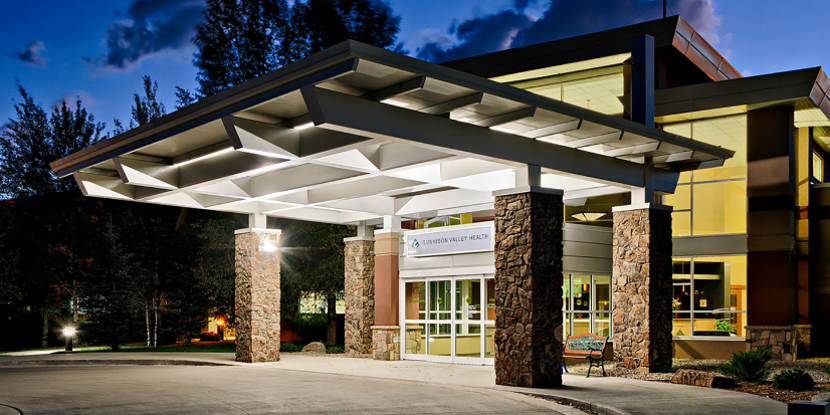
If you or someone in your group is experiencing symptoms of altitude sickness and needs to be seen, GVH has two convenient options for visitors in the valley:
- GVH Mountain Clinic (Crested Butte) – Serves as both urgent and emergent care for the Crested Butte area. No appointment needed.
Location: Mountain Clinic
12 Snowmass Road
Axtel 100
Mt Crested Butte, CO 81225
- GVH Urgent Care (Gunnison) – Walk-ins welcome.
Location: Gunnison Urgent Care
707 N Iowa Street
Gunnison, CO 81230
- GVH Emergency Department (Gunnison) – 911 and seek care at the ED if you are experiencing severe symptoms.
Location: Emergency Department
711 N Taylor St.
Gunnison, CO 81225
Do not hesitate to come in. Our teams are experienced in treating altitude-related illness and are here to help you get back to enjoying your time in the mountains.